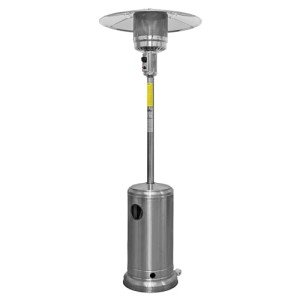
High-Quality Heaters 101:“The Complete” Guide For Beginners
High-Quality Heaters: A Comprehensive Guide to Choosing the very best Heating Solutions
Heating is an important aspect of preserving a comfortable environment in homes, workplaces, and various other settings. As the demand for efficient heating solutions grows, lots of consumers discover themselves browsing a plethora of options available in the market. This article intends to provide a helpful guide on high-quality heaters, checking out different types, their advantages, key features to search for, and frequently asked concerns to help customers make notified choices.
Types of High-Quality Heaters
There are various heating approaches and technologies readily available today. Below are a few of the most common kinds of high-quality heaters:
Heater Type
Description
Pros
Cons
Central Heating
A system that supplies heat through ducts or pipelines.
Even heat distribution; energy efficient.
High installation cost; space required.
Electric Heaters
Portable units that produce heat using electricity.
Easy to utilize; portable; low in advance cost.
Greater operational expenses; might not heat big areas.
Gas Heaters
Use natural gas or propane to provide warmth.
Cost-efficient; effective heating.
Requires gas lines; security precautions required.
Infrared Heaters
Release infrared radiation to straight warm things.
Fast heating; energy-efficient.
Limited location protection; might require reflective surfaces.
Heat Pumps
Move heat from one place to another for heating purposes.
Energy efficient; double functionality (heating & cooling).
High preliminary expense; effectiveness drops in really cold weather condition.
Wood Stoves
Burn wood logs to warm a designated location.
Environment-friendly; visual appeal.
Needs wood supply; can be inefficient if not utilized properly.
Understanding the Features of High-Quality Heaters
When selecting a heater, a number of necessary features must affect your decision-making process. Here are some of the crucial elements to think about:
Energy Efficiency: Look for heaters with high Energy Efficiency Ratios (EER) or Annual Fuel Utilization Efficiency (AFUE). These ratings symbolize lower energy usage for the amount of heat produced.
Heating Capacity: The heating capacity should correspond to the size of the location being heated up. Procedure the space (in square feet) to identify the proper BTU (British Thermal Units) score needed for ideal heating.
Security Features: High-quality heaters must have definitive security functions such as tip-over security, overheat shut-off mechanisms, and cool-to-touch outsides, specifically for electric and ceramic heaters.
Noise Levels: Consider the sound produced by the heater throughout operation. For domestic applications, quieter options like infrared or electrical heaters might be preferred.
Mobility: If the heater will require to be moved between spaces, consider its weight and whether it features integrated manages or wheels.
Maintenance Requirements: Different heaters have varying maintenance requirements. For instance, gas heaters need routine evaluations, while electrical heaters normally require less upkeep.
Expense: Factor in both the preliminary purchase rate and ongoing operational expenses. Sometimes, a greater upfront financial investment in a more efficient heater can yield much better savings over time.
Advantages of Investing in High-Quality Heaters
Investing in a high-quality heating service offers a number of advantages, consisting of:
Improved Comfort: High-quality heaters offer constant and trustworthy warmth, boosting indoor comfort throughout colder months.
Increased Energy Savings: Efficient heaters minimize energy consumption and consequently lower energy costs, making them more cost-efficient in time.
Lower Carbon Footprint: Many modern heating solutions are designed with energy performance in mind, contributing to decreased greenhouse gas emissions.
Boosted Safety: High-quality heaters featured advanced safety features to mitigate dangers connected with home heating, guaranteeing a safe environment.
Long-Term Durability: Investing in a reliable brand name typically equates to greater reliability and a longer life expectancy for the heater.
Frequently Asked Questions (FAQs)
1. What is the most energy-efficient kind of heater?
- Heat pumps are normally thought about the most energy-efficient option since they transfer heat rather than generate it.
2. Can I utilize electrical heaters as my main heat source?
- Yes, but it depends upon the electrical heater's capability and the size of the location you need to heat. For larger areas, central heating may still be the most efficient option.
3. How do I compute the BTUs required for my specific room?
- Measure the square footage of the space and consult BTU calculators available online, which consider aspects such as insulation, windows, and ceiling heights.
4. Are gas heaters safe to use inside your home?
- Yes, but they need to be correctly vented to prevent the accumulation of hazardous gases. Constantly follow regional policies and security standards.
5. How often should I have my heater serviced?
- Usually, it's suggested to have your heater serviced at least as soon as a year to guarantee ideal efficiency and safety.
Choosing a high-quality heater is an essential choice that impacts not just comfort but likewise energy effectiveness and security. By comprehending the various types of heaters, their particular advantages, crucial functions, and upkeep requirements, customers can navigate the intricacies of the heating market more successfully. Whether Premium Heaters buying energy-efficient designs or ensuring safety through correct setup, informed options lead to much better heating solutions, eventually enhancing the lifestyle in living areas.